Clinical practice

Orthopedics

A structured assessment of movement, joints and the musculoskeletal system, followed by individualized planning and clear communication at every stage.

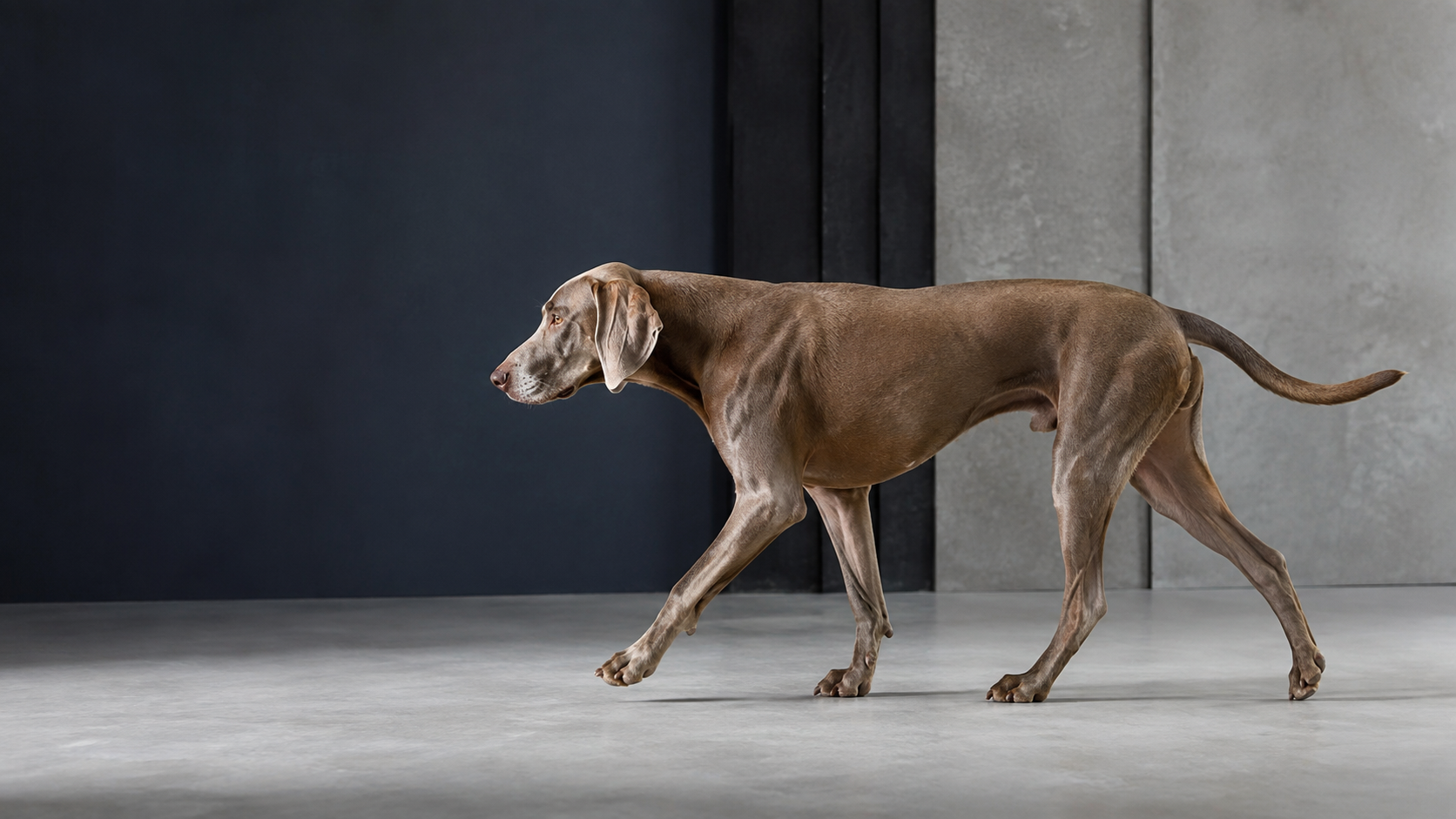
Dog in motion for the orthopedics page

Precision before treatment

Clinical history, movement observation and the orthopedic examination guide the next steps. Additional tests are considered according to the needs of each patient.

Knee and mobility

Changes in weight-bearing, difficulty rising, reduced activity and persistent gait changes deserve clinical investigation. The goal is to understand functional impact, not merely label an injury.

Planning and follow-up

Orthopedic cases call for decisions that fit the patient, the diagnosis and the family’s routine. Follow-up allows mobility, comfort and functional progress to be reassessed over time.

References

Scientific and institutional reading

Reference sources for further reading. This page is educational and does not replace an individual clinical assessment.

Veterinary medical informationInterpretation, diagnostic testing and management depend on the individual patient.

Continuity of care

Frequent questions

Quick guidance for common recovery-care questions.

Does my pet need a surgical recovery suit?

It depends on the procedure, incision location and patient behavior. When indicated, the garment should stay clean, dry and properly fitted without compressing the wound. If the animal can still lick or bite the area, protection needs to be reassessed.

Does a recovery suit replace an Elizabethan collar?

Not always. The goal is to prevent access to the incision. In some locations or patients, a suit does not prevent licking or chewing, and a collar may still be necessary. Follow the protection recommended for that procedure.

How should I monitor the surgical wound?

Observe it without unnecessary handling. Increasing redness, swelling, discharge, foul odor, wound opening, bleeding or progressively increasing pain are reasons to contact the team. Serial photos can help when requested.

Can the incision get wet or can my pet have a bath?

Do not wet the surgical area or bathe your pet until specific clearance is given. Moisture can affect dressings, increase contamination risk and make wound assessment harder. If it gets wet accidentally, contact the team.

What should I do if I miss a medication dose?

Do not double the next dose on your own. The correct action depends on the medication, interval and how late the dose is. Check the patient instructions or contact the team before compensating for a missed dose.

Can I change the dose, schedule or stop a medication?

Not without veterinary guidance. Dose, interval and duration are part of the prescription. Do not add human medicines, anti-inflammatory drugs or supplements without confirmation because interactions or contraindications may exist.